Friday, July 15, 2016

Calorie Burn

Minutes of Hard Exercise Can Lead to All-Day Calorie Burn
Sprint interval training could cut time exercising while controlling weight
WESTMINSTER, CO (October 10, 2012)—Time spent in the drudgery of strenuous exercise is a well-documented turn-off for many people who want to get in better shape. In a new study, researchers show that exercisers can burn as many as 200 extra calories in as little as 2.5 minutes of concentrated effort a day—as long as they intersperse longer periods of easy recovery in a practice known as sprint interval training. The finding could make exercise more manageable for would-be fitness buffs by cramming truly intense efforts into as little as 25 minutes.
Kyle Sevits, Garrett Peltonen, Rebecca Scalzo, Scott Binns, Anna Klochak, Christopher Melby, and Christopher Bell, all of Colorado State University, and Edward Melanson and Tracy Swibas, both of University of Colorado Anschultz Medical Campus, compared volunteers’ energy expenditures on two different days, one in which they performed a sprint interval workout on a stationary bicycle. Their results showed a marked uptick in the amount of calories the volunteers burned on the workout day, despite the short amount of time spent in actual hard exercise.
Their poster presentation entitled, “A Single Session of Sprint Interval Training Increases Total Daily Energy Expenditure,” will be discussed at The Integrative Biology of Exercise VI meeting being held October 10-13 at the Westin Westminster Hotel in Westminster, CO. This popular meeting is a collaborative effort between the
American Physiological Society, the American College of Sports Medicine and the Canadian Society for Exercise Physiology. The conference is supported in part by the National Institute of Arthritis and Musculoskeletal and Skin Diseases, an institute of the National Institutes of Health, GlaxoSmithKline, Inc., Stealth Peptides, Inc., and Seahorse Biosciences. The full program is online at http://bit.ly/OrMFtN.
Feeling the Burn
Study leader Sevits notes that despite exercise’s numerous documented benefits, few people hit the U.S. government’s recommendations of 150 minutes of moderate exercise or 75 minutes of vigorous exercise per week. “Research shows that many people start an exercise program but just can’t keep it up,” Sevits says. “The biggest factor people quote is that they don’t have the time to fit in exercise. We hope if exercise can be fit into a smaller period of time, then they may give exercise a go and stick with it.”
Though other studies have shown that sprint interval training can markedly improve fitness and athletic performance, little was known about how this type of exercise affects energy expenditure, a factor that motivates many people to exercise. To determine how many calories a typical sprint interval training workout might burn, Sevits and his colleagues recruited five healthy male volunteers, all between the ages of 25 and 31 years old. These volunteers made an initial visit to Colorado State University in Fort Collins in which they performed an exercise stress test to make sure their hearts were healthy enough to participate. The researchers also analyzed the volunteers’ body compositions and their resting metabolic rates.
Over the next three days, the volunteers ate a diet precisely calibrated to meet their metabolic needs so that they’d be in “energy balance,” Sevits explains, with just enough calories so they weren’t over- or under-eating. At the end of those three days, the men then checked in to a research facility at the University of Colorado Anschultz Medical Campus that was outfitted much like a typical hospital room. However, this room was completely enclosed, with air intake and exhaust regulated and equipment installed to analyze oxygen, carbon dioxide, and water content. Based on the results of this analysis, the researchers could determine how many calories the volunteers burned while each stayed in the room.
For two days, each volunteer lived in the room, continuing to eat the prescribed diet and spending the majority of their time in sedentary activities, such as watching movies or using a computer. However, on one of the days, they engaged in a sprint interval workout that involved pedaling as fast as possible on a stationary bicycle in the room that was set at a high resistance for five 30-second periods, each separated by four-minute periods of recovery in which they pedaled slowly with very little resistance. During the intense, 30-second bouts, the researchers coached the volunteers over an intercom system, encouraging them to give 100 percent effort.
Sprint Interval Trainer?
Analyzing results from the room calorimeter system showed that the volunteers burned an average of an extra 200 calories on the sprint interval workout day, despite spending just 2.5 minutes engaged in hard exercise. Though the researchers can’t yet speculate on whether such efforts could translate into weight loss, Sevits and his colleagues suggest that engaging in intense, but brief, bursts of exercise could aid in weight maintenance. “Burning an extra 200 calories from these exercises a couple of times a week can help keep away that pound or two that many Americans gain each year,” Sevits says.
However, maintaining the maximum effort needed to exercise at peak intensity over the 30-second sprints could prove tricky for many people to maintain on their own without help, Sevits warns. “Motivating yourself can be very hard,” he says. “The way this could work in the real world is with the guidance of a personal trainer.”
About the American Physiological Society (APS)
The American Physiological Society (APS) is a nonprofit organization devoted to fostering education, scientific research, and dissemination of information in the physiological sciences. The Society was founded in 1887 and today has more than 11,000 members. APS publishes 13 scholarly, peer-reviewed journals covering specialized aspects of physiology.

Thursday, July 14, 2016

Running No no's

9 Things Runners Should Never Ever Do


Whether you’re a neighborhood jogger or have finished multiple marathons, running of any kind is always a ‘do.’ But there are number of practices female runners should have on their “never-to-do” list. From being lazy with running attire to making decisions that put you in danger, make sure you’re not doing these nine things—and if you are, make some changes immediately.

Carry Your Phone in Your Sports Bra During a Run

Stuffing your phone or iPod in between your girls during a run is a huge no-no. For one, sports bras aren’t meant to carry things other than your breasts, which means there’s no guarantee that the phone is secure. It could easily slip out (from either the top or bottom), risking a broken or lost phone. Second, if you’re like most women, your sports bra is a prime area for sweat and, if you haven’t noticed, phones aren’t very moisture-friendly. Putting electronics in contact with sweat is just asking for a malfunction. And don’t think that carrying your selfie-taking device in your hand will work either. While it may not seem like a big deal, holding items while running causes your arm and hand muscles to move asymmetrically, which can eventually lead to a breakdown in your running form. And if you want to run efficiently (read: easily), it’s important to pay attention to correct running form. For the most effective methods of carrying things with you during a run, pick up a running belt or sports armband to stash your must-have items.

Choose Unsafe Running Conditions

Unfortunately, we live in a world that’s not always safe, especially for women. This means that, as female runners, we have to take special consideration as we choose where, when and how we run. Always tell someone where you plan to run and how long you expect to be gone. If you’re in an unfamiliar location, make sure to study a map of the area ahead of time, and bring your phone and some extra cash, in case you need to call an Uber or cab. While many of us have time constraints that force us to run pre- or post-sunlight, this doesn’t give you the right to put yourself in danger. Make sure to wear reflective clothing to be visible to approaching vehicles and carry a bright light to see the road ahead of you. For those who like to run solo, it’s a good idea to bring along some kind of personal safety item, such as pepper spray for runners or the TigerLady. Finding a local running group or workout partner is much safer than running alone—and that goes for any time of day.

Wear Your Sweaty Running Gear Long After a Run

If you don’t plan to shower immediately after a run—no judging here—it’s important to at least change into clean, dry clothes (especially underwear) as soon as possible. Sweaty clothing is a breeding ground for bacteria and fungus, which you don’t want anywhere near your lady parts. With the rise of athleisure, doctors commonly see yeast infections or bacterial vaginosis in those who are guilty of wearing sweaty pants or shorts long after their sweat sessions. And the below-the-belt area isn’t the only thing women runners need to worry about. Sweaty sports bras can trap dirt, bacteria and other nasties against your skin, increasing your potential for body acne, cysts or even staph infections.

Wear Your Ponytail in the Same Spot Every Time

Getting your mane off your neck during a run is non-negotiable for most women, but where you secure your hair matters. If you always tie your ponytail in the same spot on your head, you are repeatedly putting the same stress on your strands, leading to thinning and breakage. Always wear a high ponytail? Switch to a low pony (or try a French braid) every other day to vary the tension direction and stress put on your hair.

Run in Hand-Me-Down Gear

As tempting as it is to save a few bucks by getting second-hand gear from family or friends, these items won’t do you any favors in the long run.
While a used top or pair of pants is perfectly okay (as long as it’s been washed and is still in good condition), never wear someone else’s old sports bra. As time goes on, the fabric and structure of the bra can stretch out and become less supportive, putting your girls at risk for too much movement. As far as what’s on your feet, it’s no secret that running shoe prices can be hard to swallow, but you definitely don’t want to run in a pair that has seen better days. Each footstrike breaks down the support and structure of the shoe, and after a certain number of miles, the shoe is no longer able to do its job. Most experts recommend replacing shoes after 300 miles, depending on your weight and typical running surface. To save money on shoes, opt for last year’s model or find sale prices either online or in stores. If you’re buying online, make sure to try on multiple pairs in person to know which shoe is right for you.

Wear a Regular Bra on a Run

We’ve all been there—you’re changing into running clothes after work and you suddenly realize you forgot that all-important item: a sports bra. Now what? Do you skip your run or suffer through it wearing your daily underwire bra—or worse, no bra at all? According to experts, skipping a sports bra could lead to permanent breast tissue damage, causing stretch marks, sagging and even painful breasts. Even tops with built-in bras are a no-go—sports bras are specially designed to support your chest from excessive up-and-down, side-to-side and in-and-out movement. A regular bra isn’t meant to provide the necessary protection your breasts need during a vigorous activities like running.

Skip Strength Training

Runners are notorious for avoiding the weight room, especially in the throes of training for a long distance race. Unfortunately, all running, all the time can actually be detrimental to your success. While beginners will gain muscle as their bodies adapt to the new sport, a running-only training plan will not allow intermediate and advanced runners to develop the necessary strength to deal with longer miles and more strenuous workouts. Strength training can help runners avoid injury and encourage correct running form. And since women are vulnerable to weaker bones as we age (thanks, osteoporosis!), including weights in our fitness regime can help keep our entire bodies stronger for longer. Despite what many women think, lifting weights (even heavy ones) will not make you bulky. Unless you are taking special supplements and lifting weights specifically to bulk up, it’s extremely difficult to develop bodybuilder-type muscles that your average woman tries to avoid. While full-body exercises are the best option, runners should focus on core, hip, glute and leg exercises to get the most out of their time in the gym. Try these 12 exercises for the perfect runner’s workout.

Avoid Eating Fat

It’s time we change our thoughts about fat. Eating fat will not make you gain weight, if done correctly. And in fact, the right types of fat can even help keep you healthy. A University of Buffalo study followed 86 women runners for a year and found that those with the highest incidence of injury consumed the lowest amount of fat. These results suggested that a higher fat diet actually seemed to protect these runners from injury. With that being said, you do not have our permission to pig out on french fries and pizza. The majority of fats in your diet should consist of healthy and lean fats, such as avocados, salmon, olive oil, eggs, almonds and (hallelujah!) dark chocolate.

Compare Yourself to Others

Former President Teddy Roosevelt once said, “Comparison is the thief of joy,” and we couldn’t agree more. Whether you’re comparing yourself to your running partner, mate or that person who just passed you on the road, stop it. Every runner is different, carrying a different body with different abilities and functions. Your running is your business and shouldn’t be dictated by anyone else. And while it can be hard to feel confident when you’re the slowest one in a running group, the important thing is that you’re out there working at it. There are many people who never even try—and sometimes, just trying is an accomplishment in and of itself. You’ll quickly find that if you focus on doing your own thing, you’ll not only be happier, you’ll have more time and energy to meet and celebrate your own personal running goals.

Read more at http://womensrunning.competitor.com/2016/07/health-wellness/9-things-women-runners-never_62176#krDmV3EWFcC4omq2.99

Sunday, June 19, 2016

No, don't eat that!

The 4 Foods a Trainer Says You Should Never Eat

Despite its name, the Telluride WOW Fitness Festival isn't just about push-ups, crunches, and burpees. There is also great advice being shared — including this nugget from trainer Jonathan Ross: "One bad meal won't transform your body, just like one good meal won't equal immediate results; the body builds itself from habit." If you're curious to know which habits matter in the long run, Jonathan offered up his rules for things you should always — and never! — do when it comes to eating.
Related: The 1 Thing That Helped Me Lose Weight

Always

Eat veggies and protein at every meal: We're not talking fried, cheese-covered, or canned vegetables, either. Not only are fresh veggies rich in vitamins and antioxidants, but their water and fiber content also help keep you full. If the thought of eating veggies all day long makes you gag, then get over it, says Jonathan. "Healthy food tastes boring for a little while. Your taste buds adapt." Alongside those veggies, make sure you have protein. Jonathan cites several studies showing that a diet rich in protein helps control cravings while also helping to build lean muscle mass, adding to the body's fat-burning potential.
Eat healthy fats: Forget what you think you know about low-fat diets; it's all bunk, says the trainer. Good-for-you fats help lower LDL (bad) cholesterol and boost your HDL (good) cholesterol; they've also been shown to reduce belly fat. Look to incorporate monounsaturated and polyunsaturated fats into your meals while avoiding saturated and trans fats. Avocados, olive oil, and nuts are all great options.
Plan, prepare, pack: The best way to maintain a healthy diet is to be in charge of it yourself. Jonathan recommends cooking meals at home and packing your lunch whenever possible. Another tip: keep water and healthy snacks in your purse, car, and gym bag. This way, you won't be tempted to order out when you're on the go.
Be kind to yourself: Even with the best intentions, binge-eating might happen. Whatever you do, don't beat yourself up, warns Jonathan. "Handle slipups as nothing more than they are," he says. Consuming yourself with guilt can make things worse; part of sticking to a healthy diet involves feeling good about yourself and the choices you make.

Never

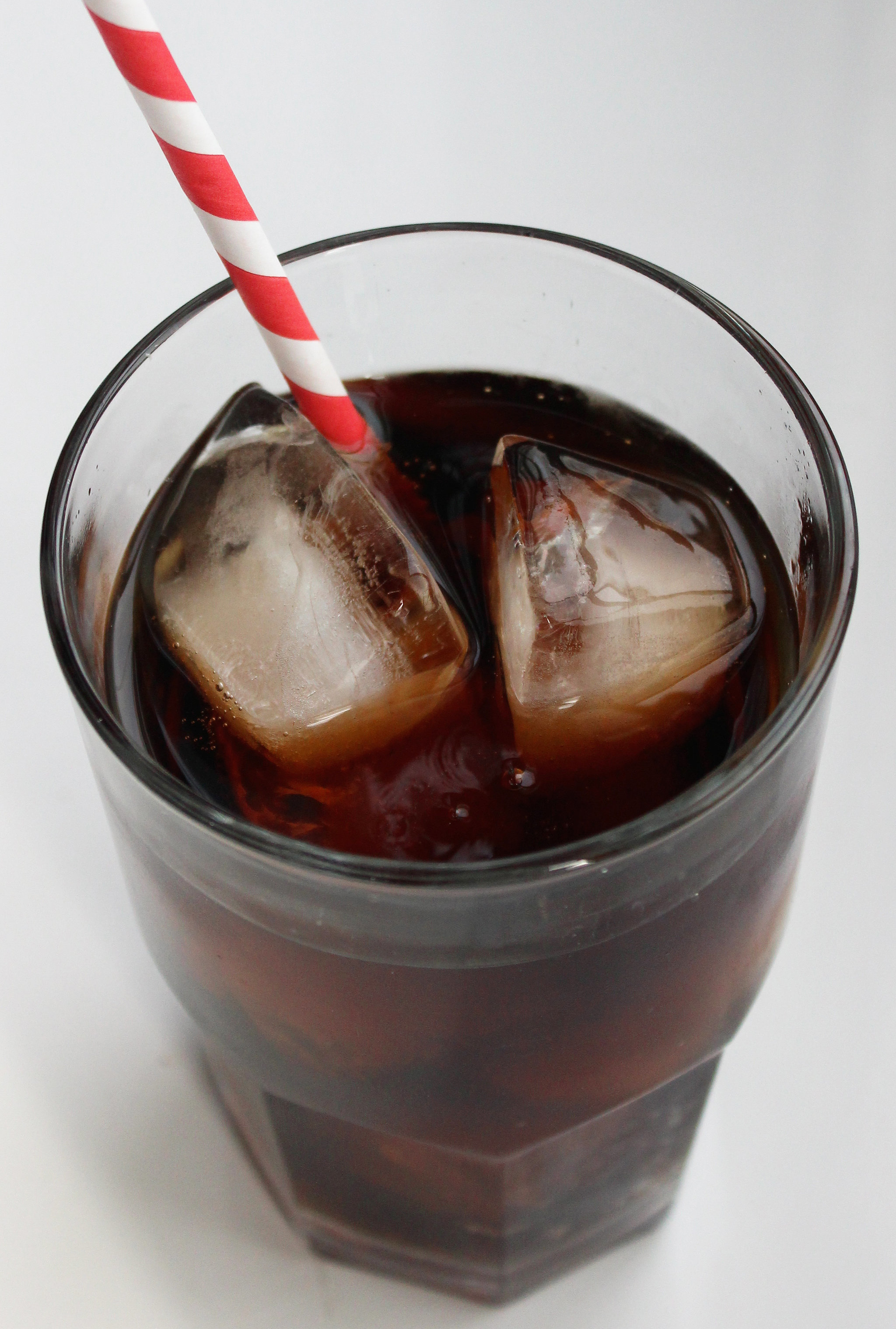
Drink calories: You've heard it before, but soda, juice, and other store-bought beverages are some of the biggest obstacles when it comes to maintaining a healthy diet. They contain no real nutrition and are basically nothing but sugar, the trainer adds. The one exception Jonathan makes for this rule are healthy smoothies. Look for recipes that contain fiber, protein, and healthy fats.
Skip meals: When you want to change your body, nutrition is key. "Fill your gut to lose your gut," says Jonathan. "It's the best way to lose weight and keep the body going." Jonathan also advises to eat "real food" — the more you know about where it came from or what it's made of, the better. Eat four to six small meals each day, and make sure that protein is a component in everything you eat, he says.
Eat fried foods: Yes, Jonathan did say that occasional indulgences are OK, but fried foods are something he almost always steers clear of, saying they're "completely destructive to the body." Fried foods are widely available (and cheap), making them hard to steer clear of, but the amount of trans fat they contain should be enough to scare anyone, he says.
Eat sugars or grains at night: While Jonathan is a huge fan of whole grains, he says to avoid them at night, along with sugar and starches. Just like trainer Bob Harper, Jonathan believes that breakfast should be the heartiest meal of the day; from there, gradually lighten as you get closer to dinner. Starches and grains are more calorie-dense and unneeded at night when the body is winding down, says Jonathan.
Image Sources: POPSUGAR Photography / Lizzie Fuhr and POPSUGAR Photography / Sisilia Piring

Sunday, June 5, 2016

Protein=lost pounds

If You Want to Lose Weight, You Should Be Eating More of This
One of the best ways to see weight-loss success? Loading up your plate with protein. In fact, many trainers and nutritionists recommend at least 20 grams of protein at breakfast, which should be within 30 minutes of waking for the best weight-loss success. But not all protein is created equal; when searching for the best way to fuel up, you should always opt for the lean protein options. But what exactly qualifies as a lean protein?
According to the USDA, lean meats contain less than 10 grams of fat and 4.5 grams of saturated fat, as well as less than 95 milligrams of cholesterol, per 3.5-ounce serving. In general, beef cuts like roasts, top loin, top sirloin, and shoulder are the leanest cuts of beef, while cuts like pork loin, tenderloin, center loin, and ham are the leanest cuts of pork. When it comes to choosing poultry, opt for skinless breast meat or turkey cutlets for less-fatty options like thigh meat. For more on how to choose a lean cut of meat, read this list on the leanest cuts of red meat like bison, lamb, and veal.
Many types of seafood are also considered lean even though their fat content may be high. That's because seafood is a great source of unsaturated fats, the "healthy fats" that help keep your heart and brain healthy and fight belly fat as well. When choosing seafood, look for sustainable choices that are high in omega-3 fatty acids, like salmon, trout, or herring.
Lean protein isn't just about choosing the right cut of meat, however. There are plenty of vegetarian sources that make a prime protein source, like beans, quinoa, tofu, and unsalted nuts. In fact, switching out your meat routine just once a week may help you be healthier by reducing your risk of diseases like cancer. Don't always equate protein with meat; there are many other foods that are sky-high in protein. Use this list of high-protein meats, dairy products, and plant-based foods to help you decide which protein is right for you; be sure to pay attention to the fat content as well.

Tuesday, April 19, 2016

100 crunches...oh my!

The It'll-Hurt-to-Laugh-Tomorrow 100-Rep Crunch Workout


You want strong, defined abs, and you're willing to work hard for them, right? Then get on the floor and bust out this 100-rep crunch workout. This circuit involves five crunch variations. Do 10 reps of each and repeat this 50-rep circuit twice.
Or for an even more intense ab-burn, do each exercise for 20 reps and do all 100-reps at once. If this is more than your abs can handle, just do five reps of each and repeat that 25-rep circuit four times, taking breaks when you need to.
 

Monday, April 4, 2016

50 tricks

50 Best Weight-Loss Tips

What to know the one secret to losing weight? The secret is — get ready for it — there is no one thing that does it. It's a lot of little things that add up to big results. And here are some ideas.

  1. Follow the 80/20 rule, which means eating clean 80 percent of the time and indulging a little 20 percent of the time.
  2. Every time you get an urge to eat when you're not hungry, do 10 push-ups.
  3. Choose a whole-wheat wrap instead of two slices of wheat bread.
  4. Chew gum while cooking to keep from snacking.
  5. Keep cut-up fruits and veggies in the fridge to grab for snacks or easy meals.
  6. Sit on a yoga ball instead of a chair to work your core. Or get one of those standing desks.
  7. Eat in front of a person rather than a screen. It cuts down on mindless eating and makes you more accountable for each bite.
  8. Make 150-calorie nonperishable snack packs to keep in your purse, gym bag, and office drawer. Nuts are a great option since they keep you fuller longer and boost your metabolism.
  9. When making cookies, bake half the batch and scoop the rest into ice-cube trays. When your sweet tooth kicks in, pop out one and bake it to satisfy your craving without breaking the calorie bank.
  10. Use veggies like carrots, roasted spaghetti squash, or zucchini in place of spaghetti.

  1. Halfway through your meal, stop and drink some water and decide if you're really hungry for the rest or if you're just eating it because it's on your plate.
  2. Don't just stand there! Do squats while brushing your teeth, calf raises while standing in line, or lunges while chatting on the phone.
  3. Add protein powder to sweet recipes (like these Rice Krispies treats) to boost the nutrition.
  4. Keep weights in the living room so you can do some reps while watching TV.
  5. Instead of cream cheese or butter on bread or bagels, spread almond or peanut butter. The healthy fats satiate hunger and can decrease belly fat.
  6. Choose wet snacks such as melon, peppers, cherry tomatoes, or celery. Their water content will fill you up and prevent bloating.
  7. Make your own low-fat ice cream using frozen bananas and peanut butter or luscious cherries and chocolate.
  8. When nature calls, use a bathroom on a different floor to make you use the stairs.
  9. Swap out your hamburger patty for a veggie burger.
  10. Add veggies to baked goods. You'll never even taste the zucchini in these brownies or the chickpeas in these chocolate doughnuts.

  1. Pack five salads on Sunday night so healthy lunch for the entire week is already made.
  2. When baking, swap out the butter for one of these replacements.
  3. Do one of these 10-minute videos right now.
  4. Skip ordering pizza and make one of these crusts at home: gluten-free sweet potato crust, a quinoa basil crust that's also gluten free, or this low-carb cauliflower crust.
  5. Cut veggies into larger-size chunks. The more chewing you have to do, the slower you'll eat, allowing your brain to recognize the "I'm full" sensation.
  6. Add fiber-rich greens, avocado, chia seeds, flaxmeal, and berries to your smoothie to satiate hunger for hours.
  7. Keep snack centers in the fridge and cupboard to avoid grazing and eating out of containers.
  8. Spread hummus, mustard, or pureed roasted red pepper on sandwiches instead of mayonnaise.
  9. Muscle mass burns more calories, so include three 20-minute strength-training sessions each week.
  10. Ask for your entrée to be served on a bed of greens rather than a bed of pasta or mashed potatoes.
  1. Freeze pureed veggies and pureed beans to add extra fiber to sauces and soups.
  2. Use your lunch break to work out and then eat later while working.
  3. Pour almond milk in your cereal instead of skim milk.
  4. Munch on an apple. It is full of fiber and works as a natural appetite suppressant.
  5. Use silken tofu in place of cream for some recipes, such as this dairy-free chocolate mousse.
  6. Keep a food journal and email it every night to a friend or family member. The accountability will keep you honest.
  7. At the beginning of the week, prepare a big container of salad to keep in the fridge. If the salad is already made, you're more likely to get greens with your dinner.
  8. Brush your teeth right after each meal and snack to avoid noshing on your co-worker's bowl of M&M's.
  9. Before your entrée arrives, ask the waitperson to bring you a to-go container so you can package half to save for later.
  10. Instead of using white sugar in baked goods, use fruit to add natural sweetness and hunger-satiating fiber. Try this banana muffin recipe or these date-sweetened cookies.
  1. Double dinner recipes so you can have the leftovers for lunch.
  2. Add an extra five minutes to your cardio routine.
  3. When boredom, depression, or stress causes cravings, find a nonfood way to satisfy them, such as going for a walk, calling a friend, taking a bath, reading a book, or doing some yoga.
  4. Put a big chalkboard up in the kitchen to jot down your weekly meal plan or one of these inspirational sayings.
  5. Keep a reusable water bottle on your desk to sip often. Staying hydrated can satiate hunger and cravings, reduce bloating, and keep you more alert.
  6. Once a week, snap a photo of yourself so you can see proof of your body changing. Weight-loss jars are also a great visual reminder of reaching your goal.
  7. Add cooked whole grains to a salad to increase the fiber and protein and make the meal feel more satisfying.
  8. Go open-faced to cut calories and carbs.
  9. Make healthier versions of the treats you crave. These no-bake brownies are sure to satisfy your chocolate cravings.
  10. Make sure you get at least seven hours of sleep each night. Being tired makes for skipped workouts and extra snacking.

Thursday, March 31, 2016

No equipment back exercises...

No Equipment Required: 7 Moves to Tone Your Back


Toning and strengthening your back muscles may not be in the forefront of your mind, but this often-overlooked area can do so much for your shape. Celebrity trainer Jennifer Cohen says that strengthening your upper body, back, and shoulders helps you achieve a long and lean "V-shaped" back that makes you appear "10 to 15 pounds thinner." Using bands, weights, or equipment can definitely help your cause, but working your back at home is possible with these easy-to-follow no-equipment moves.