Sunday, June 5, 2016

Protein=lost pounds

If You Want to Lose Weight, You Should Be Eating More of This
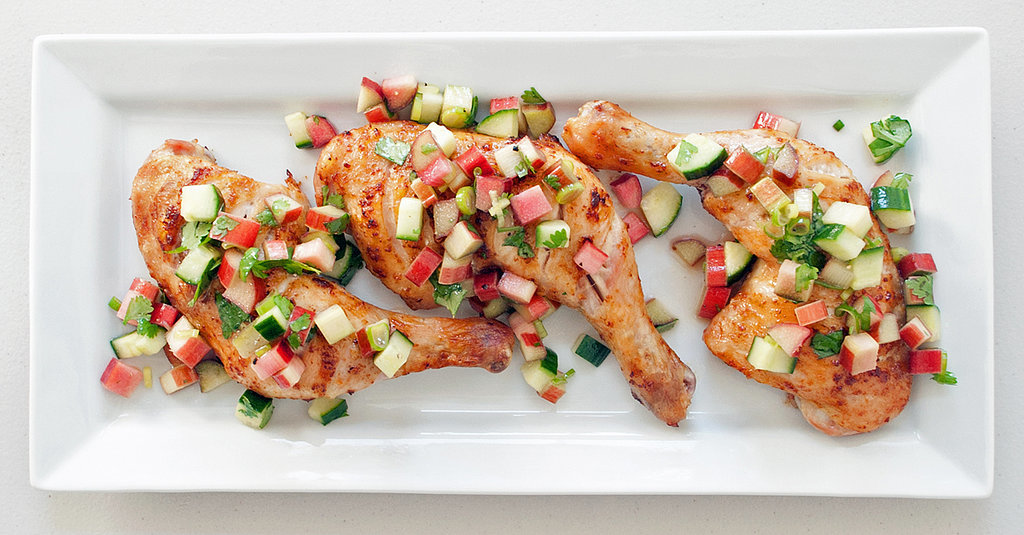
One of the best ways to see weight-loss success? Loading up your plate with protein. In fact, many trainers and nutritionists recommend at least 20 grams of protein at breakfast, which should be within 30 minutes of waking for the best weight-loss success. But not all protein is created equal; when searching for the best way to fuel up, you should always opt for the lean protein options. But what exactly qualifies as a lean protein?
According to the USDA, lean meats contain less than 10 grams of fat and 4.5 grams of saturated fat, as well as less than 95 milligrams of cholesterol, per 3.5-ounce serving. In general, beef cuts like roasts, top loin, top sirloin, and shoulder are the leanest cuts of beef, while cuts like pork loin, tenderloin, center loin, and ham are the leanest cuts of pork. When it comes to choosing poultry, opt for skinless breast meat or turkey cutlets for less-fatty options like thigh meat. For more on how to choose a lean cut of meat, read this list on the leanest cuts of red meat like bison, lamb, and veal.
Many types of seafood are also considered lean even though their fat content may be high. That's because seafood is a great source of unsaturated fats, the "healthy fats" that help keep your heart and brain healthy and fight belly fat as well. When choosing seafood, look for sustainable choices that are high in omega-3 fatty acids, like salmon, trout, or herring.
Lean protein isn't just about choosing the right cut of meat, however. There are plenty of vegetarian sources that make a prime protein source, like beans, quinoa, tofu, and unsalted nuts. In fact, switching out your meat routine just once a week may help you be healthier by reducing your risk of diseases like cancer. Don't always equate protein with meat; there are many other foods that are sky-high in protein. Use this list of high-protein meats, dairy products, and plant-based foods to help you decide which protein is right for you; be sure to pay attention to the fat content as well.

Tuesday, April 19, 2016

100 crunches...oh my!

The It'll-Hurt-to-Laugh-Tomorrow 100-Rep Crunch Workout


You want strong, defined abs, and you're willing to work hard for them, right? Then get on the floor and bust out this 100-rep crunch workout. This circuit involves five crunch variations. Do 10 reps of each and repeat this 50-rep circuit twice.
Or for an even more intense ab-burn, do each exercise for 20 reps and do all 100-reps at once. If this is more than your abs can handle, just do five reps of each and repeat that 25-rep circuit four times, taking breaks when you need to.
 

Monday, April 4, 2016

50 tricks

50 Best Weight-Loss Tips

What to know the one secret to losing weight? The secret is — get ready for it — there is no one thing that does it. It's a lot of little things that add up to big results. And here are some ideas.

  1. Follow the 80/20 rule, which means eating clean 80 percent of the time and indulging a little 20 percent of the time.
  2. Every time you get an urge to eat when you're not hungry, do 10 push-ups.
  3. Choose a whole-wheat wrap instead of two slices of wheat bread.
  4. Chew gum while cooking to keep from snacking.
  5. Keep cut-up fruits and veggies in the fridge to grab for snacks or easy meals.
  6. Sit on a yoga ball instead of a chair to work your core. Or get one of those standing desks.
  7. Eat in front of a person rather than a screen. It cuts down on mindless eating and makes you more accountable for each bite.
  8. Make 150-calorie nonperishable snack packs to keep in your purse, gym bag, and office drawer. Nuts are a great option since they keep you fuller longer and boost your metabolism.
  9. When making cookies, bake half the batch and scoop the rest into ice-cube trays. When your sweet tooth kicks in, pop out one and bake it to satisfy your craving without breaking the calorie bank.
  10. Use veggies like carrots, roasted spaghetti squash, or zucchini in place of spaghetti.

  1. Halfway through your meal, stop and drink some water and decide if you're really hungry for the rest or if you're just eating it because it's on your plate.
  2. Don't just stand there! Do squats while brushing your teeth, calf raises while standing in line, or lunges while chatting on the phone.
  3. Add protein powder to sweet recipes (like these Rice Krispies treats) to boost the nutrition.
  4. Keep weights in the living room so you can do some reps while watching TV.
  5. Instead of cream cheese or butter on bread or bagels, spread almond or peanut butter. The healthy fats satiate hunger and can decrease belly fat.
  6. Choose wet snacks such as melon, peppers, cherry tomatoes, or celery. Their water content will fill you up and prevent bloating.
  7. Make your own low-fat ice cream using frozen bananas and peanut butter or luscious cherries and chocolate.
  8. When nature calls, use a bathroom on a different floor to make you use the stairs.
  9. Swap out your hamburger patty for a veggie burger.
  10. Add veggies to baked goods. You'll never even taste the zucchini in these brownies or the chickpeas in these chocolate doughnuts.

  1. Pack five salads on Sunday night so healthy lunch for the entire week is already made.
  2. When baking, swap out the butter for one of these replacements.
  3. Do one of these 10-minute videos right now.
  4. Skip ordering pizza and make one of these crusts at home: gluten-free sweet potato crust, a quinoa basil crust that's also gluten free, or this low-carb cauliflower crust.
  5. Cut veggies into larger-size chunks. The more chewing you have to do, the slower you'll eat, allowing your brain to recognize the "I'm full" sensation.
  6. Add fiber-rich greens, avocado, chia seeds, flaxmeal, and berries to your smoothie to satiate hunger for hours.
  7. Keep snack centers in the fridge and cupboard to avoid grazing and eating out of containers.
  8. Spread hummus, mustard, or pureed roasted red pepper on sandwiches instead of mayonnaise.
  9. Muscle mass burns more calories, so include three 20-minute strength-training sessions each week.
  10. Ask for your entrée to be served on a bed of greens rather than a bed of pasta or mashed potatoes.
  1. Freeze pureed veggies and pureed beans to add extra fiber to sauces and soups.
  2. Use your lunch break to work out and then eat later while working.
  3. Pour almond milk in your cereal instead of skim milk.
  4. Munch on an apple. It is full of fiber and works as a natural appetite suppressant.
  5. Use silken tofu in place of cream for some recipes, such as this dairy-free chocolate mousse.
  6. Keep a food journal and email it every night to a friend or family member. The accountability will keep you honest.
  7. At the beginning of the week, prepare a big container of salad to keep in the fridge. If the salad is already made, you're more likely to get greens with your dinner.
  8. Brush your teeth right after each meal and snack to avoid noshing on your co-worker's bowl of M&M's.
  9. Before your entrée arrives, ask the waitperson to bring you a to-go container so you can package half to save for later.
  10. Instead of using white sugar in baked goods, use fruit to add natural sweetness and hunger-satiating fiber. Try this banana muffin recipe or these date-sweetened cookies.
  1. Double dinner recipes so you can have the leftovers for lunch.
  2. Add an extra five minutes to your cardio routine.
  3. When boredom, depression, or stress causes cravings, find a nonfood way to satisfy them, such as going for a walk, calling a friend, taking a bath, reading a book, or doing some yoga.
  4. Put a big chalkboard up in the kitchen to jot down your weekly meal plan or one of these inspirational sayings.
  5. Keep a reusable water bottle on your desk to sip often. Staying hydrated can satiate hunger and cravings, reduce bloating, and keep you more alert.
  6. Once a week, snap a photo of yourself so you can see proof of your body changing. Weight-loss jars are also a great visual reminder of reaching your goal.
  7. Add cooked whole grains to a salad to increase the fiber and protein and make the meal feel more satisfying.
  8. Go open-faced to cut calories and carbs.
  9. Make healthier versions of the treats you crave. These no-bake brownies are sure to satisfy your chocolate cravings.
  10. Make sure you get at least seven hours of sleep each night. Being tired makes for skipped workouts and extra snacking.

Thursday, March 31, 2016

No equipment back exercises...

No Equipment Required: 7 Moves to Tone Your Back


Toning and strengthening your back muscles may not be in the forefront of your mind, but this often-overlooked area can do so much for your shape. Celebrity trainer Jennifer Cohen says that strengthening your upper body, back, and shoulders helps you achieve a long and lean "V-shaped" back that makes you appear "10 to 15 pounds thinner." Using bands, weights, or equipment can definitely help your cause, but working your back at home is possible with these easy-to-follow no-equipment moves.

Sunday, March 27, 2016

get on that scale...

Do This Every Day to Lose Weight (20 Pounds in 6 Months!)
No matter how you feel about the weighing yourself, Dietitian Julie Upton, MS, RD, of Appetite For Health, shares details from a new study on how the scale can help with weight loss.

According to a first-of-its-kind study published in the Journal of the Academy of Nutrition and Dietetics, researchers from Duke University Obesity Prevention Program reported that those who weighed themselves daily lost about three times as much weight and body fat, compared to those stepped on the scale less frequently.
Related: Nutritionist-Recommended Foods to Suppress Your Appetite Naturally
The Duke obesity researchers enrolled 47 overweight men and women into a weight loss clinical trial that used electronic scales that were networked to the researchers' computer network. All subjects were instructed to weigh in daily and were given some basic advice about healthy eating and exercise behaviors (i.e., increase water consumption, walk more, eat fewer snacks, enjoy more fruits/veggies).
Using data from the subjects' escales, the researchers could objectively track the frequency of weigh-ins as well as the actual weights recorded. Previous studies have relied on subjects' self-reported information about weigh-ins, which is considered less reliable.
After six months, the researchers evaluated both body weight and composition of all subjects and found that those who weighed in daily (51 percent of all subjects) lost an average of 20 pounds, compared to about seven pounds lost among those who weighed themselves about five days per week. Subjects who weighed themselves daily were also more likely to report following through on more healthy diet and lifestyle behaviors.
The authors concluded: "Daily weighing may trigger the self-regulatory processes that promote behavior change. Those who weigh daily report greater adoption of diet and exercise behaviors associated with weight control."
Related: Weighing Yourself With Clothes On? Feel Free to Subtract This Much
This study adds to previous studies that also reported that those who weigh themselves more frequently lose more weight and are less likely to gain weight over time. As a dietitian, I've always been hesitant to recommend getting obsessed with the number on the scale, but newer studies suggest that it's important to keep tabs on your body weight so that you can alter behaviors when you notice small increases in weight gain. It's a lot easier to lose three or five pounds than it is to lose 20 or more, so frequent weigh-ins are one way to keep your weight stable for a lifetime.

Tuesday, March 22, 2016

Don't count calories

Here's What You Should Be Counting For Weight Loss (Hint: It's Not Calories)

Are you finding yourself counting calories, sticking to your numbers, and even still not seeing results? The problem might be not about the number of calories, but the kind of calories.
We chatted with certified personal trainer and nutrition coach Carrie McMahon, author of the e-book Why You Should Count Macronutrients, Not Calories. With a life revolving around calorie counting and uncontrollable cheat days (sound familiar?), McMahon was stuck in a restrict-and-binge cycle that she couldn't seem to escape. She soon realized that in order to make a change in her health, she needed to change her approach to food — so she ditched the calorie counting in favor of a less mainstream concept: macronutrient counting.

"Macronutrients are what make up the caloric content of a food," says McMahon. Sometimes referred to as "macros," the three categories of macronutrients are carbohydrates, fat, and protein. The caloric combination of the macros is where that mysterious total number of calories comes from. Here's the breakdown:
  • 1 gram of carbohydrates = 4 calories
  • 1 gram of fat = 9 calories
  • 1 gram of protein = 4 calories
So it's not about how many calories are in your food, but what kind of calories are in your food. Even if you set a strict calorie limit and stick to it, you could be eating total garbage and not getting the nutrients you need. McMahon herself said that back in her days of calorie counting, she would eat "low-fat bars and cereals, fat-free ready meals, et cetera . . . all day long." The result? "I felt like sh*t."
What are the benefits of ditching your calorie-counting ways? For starters, you can indulge with a little less guilt. "Let yourself eat those treats!" says McMahon. "Fit them into your macro allowances, and don't just stick to 'boring foods' or you'll burn out" — and in turn, binge. When you're eating a balanced diet, "cravings go away, because you're not deficient in anything." This balance will "give you more energy, better workouts, and better results." Feeling better, working out better, killing cravings, and treating yo'self? Sign us up!
Ready to get started? Decide whether you want to increase your metabolism, lose fat, or build muscle. McMahon recommends the following daily proportions to her clients beginning this nutritional program:
  • Boost Metabolism and/or Build Muscle: 40 percent protein, 35 percent carbohydrates, 25 percent fat
  • Lose Fat: 45 percent protein, 35 percent carbohydrates, 20 percent fat
Since tracking can be tough (and a tad math intensive), download a macro-counting app (she recommends My Macros+ app ($3)), where you can enter your foods for each meal while the app does the math for you. That way, you can see if you're reaching your daily numbers, and start reaching your healthy goals.

Thursday, March 3, 2016

Yay, dead lifts!!

A Deadlift Variation That Works Just About Every Muscle in the Body
Deadlifts may as well be deemed the unicorn of exercise moves. Praised by trainers and physical therapists alike, the strength training move simultaneously works the core, back, butt, upper body, and legs — no stone unturned here. But if you want an even bigger challenge, try it on one leg with a kettlebell — you won't be disappointed! (In fact, be proud of yourself for stepping up to the advanced variation.) Doing so challenges your balance, increasing the intensity of the core workout, and also gives your hamstring some extraspecial love.
  • Hold a kettlebell (between 10 and 20 pounds) in your right hand, and lift your left foot slightly off the ground.
  • Keeping your back neutral, lean your entire torso forward while raising your left leg, which should stay in line with your body. The kettlebell will lower toward the ground. Keep your left shoulder blade pulled down your back.
  • With your back straight, return upright, coming to your starting position. This completes one rep. Maximize this move by keeping your right foot off the ground as you go through your reps.
  • Do 12 reps on each leg to complete one set.